
When you’ve seen a label with variable information such as a barcode typically found on a shipping label, or prescription bottle label, it may have been printed with a thermal ribbon. Whether it’s labeling on tools, an important label somewhere on your car, or a serial label on the back of one of your appliances, what you may be looking at is a label with a variable information image adhered to it with a thermal ribbon.
Now, you may be wondering what specific ways each type of thermal transfer ribbon is used. First, let’s discover what makes up a thermal transfer ribbon. Thermal transfer ribbon starts as a clear plastic film coated on one side with one of a few ink color options that are typically available, although the most widely used is black. In addition to the ink, the coating includes wax and resins. There are also options of thermal transfer over printer ribbon (TTO) which is also a wax/resin combo and hot stamp coding foil all depending on the printing and usage needs.
Here are ways that thermal ribbons are used based on the end usage. If these ribbons are possibly something you need, here are a few points to note as you decide:
Wax ribbon is less expensive and best used on paper stocks. Common applications for this combination are found in shipping, retail, or where the label will not be needed for a lengthy amount of time.

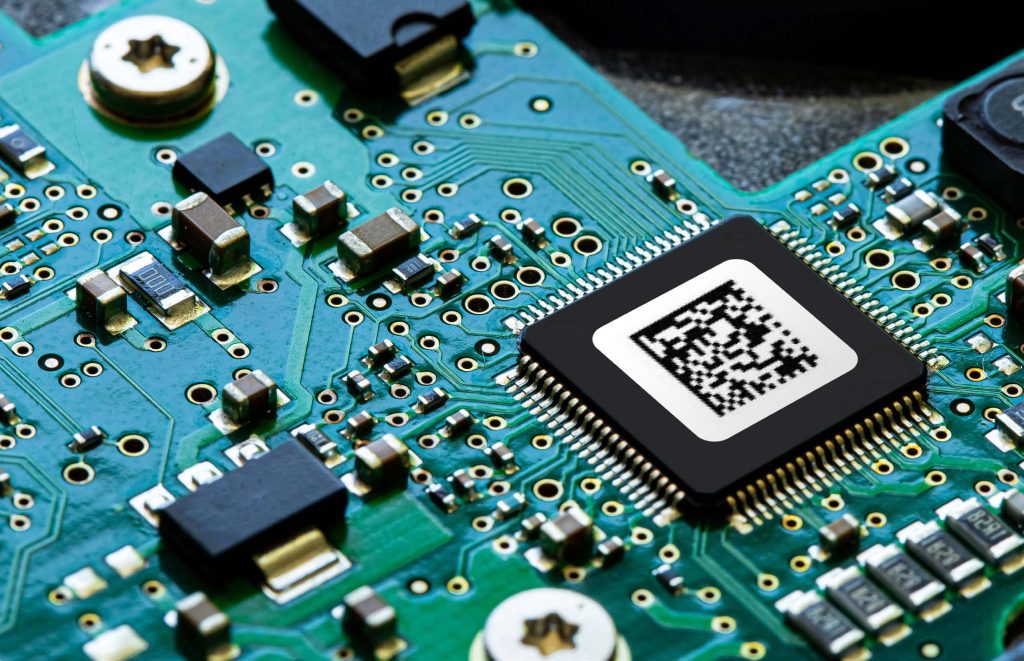
Resin ribbon is the most expensive but most durable. This ribbon is used to create labels you’ve likely seen on your car, electronics, and appliances. This ribbon is the most durable against possible abrasion, heat, and chemical exposure. Remember, the more resin in the ribbon the more durable the image.
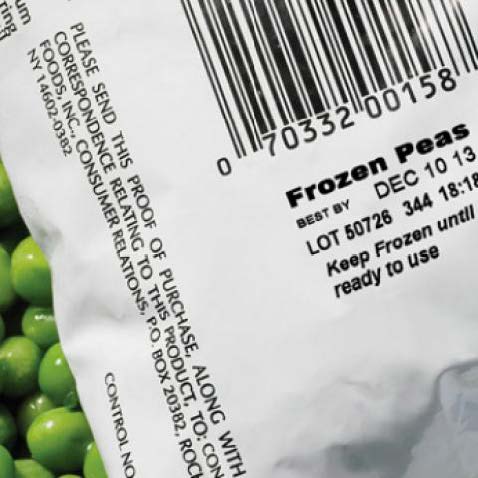
A combo of wax and resin is more durable than wax ribbon alone and is best for what requires more durability than what a wax ribbon will provide. It’s commonly used for bar code labeling, prescription labels, and healthcare related needs. It’s a popular choice because it’s not as expensive as resin but is still very durable and more resistant to chemicals and heat. Thermal transfer Overprinter ribbon (TTO) is another wax/resin option that’s good for use on flexible materials like foils, plastic, and for more delicate applications. You’ve likely seen this type of application on frozen food packages, poultry, and snack food packages.

Hot stamp coding foil is a printing method where a mixture of pressure and heat applies the image to various materials such as plastics, papers for business cards, greeting card designs, and even currency. Coding foils come in a variety of materials and are durable against abrasion.
You have so many choices! To narrow it down remember to think about what the application for the label requires. It all comes down to durability, longevity, and quality. If you are in the market for thermal ribbons, make sure and connect with your Caracal sales representative or contact us at sales@caracalcorp.com. It’s always good to leave your mark!