
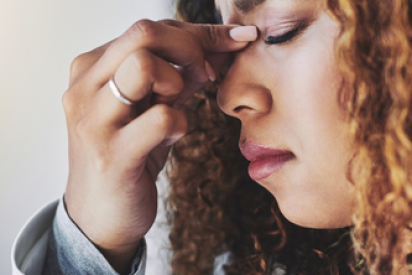
BIPOC Mental Health Awareness Month was founded in honor of Bebe Moore Campbell, advocate and founder of NAMI (National Alliance on Mental Illness) in Los Angeles. She was a change agent who understood the detrimental effects of being silent about mental health among communities of colors. She worked tirelessly to make voices heard, helped bring awareness to the more unique struggles that these communities face, and advocated for safe places and resources for people to get support.
BIPOC stands for Black Indigenous People of Color and is an acronym that conjures many different opinions and perspectives, but that doesn’t take away from this month’s significance on mental health awareness among these groups of people.
Mental health includes emotional, psychological, and social wellness. Unfortunately, mental health can be stigmatized, joked about, and not discussed as commonly as physical ailments. It coincides with how we handle stress, interact with others, how we think, and it’s a leading disability in the United States. 1 in 5 Americans will experience mental illness in a year with the rate being similar between whites and non-whites.
There are disparities between BIPOC and White communities, but why? There are a multitude of areas to raise awareness about and several reasons for the disparity – many of which are historical, cultural, economic, results of current events, fears, and experiences, and even racial. According to the American Psychological Association, 81% of Black people reported experiencing discrimination. 1 in 10 developed symptoms of PTSD due to racism and discrimination which deters them from seeking more help.
- Lack of access to care and information is an issue. This includes lacking access to quality care. BIPOC groups are discriminated against and often misdiagnosed. There is also a shortage among mental healthcare providers overall; but then to find a provider that one identifies with makes seeking quality care even more difficult. One study showed that over 60% of ethnic and minority patients say it’s important to visit a provider who shares the same culture or truly understands their culture. Finding a provider that fits this preference isn’t easy. The Health Resources and Services Administration recently found that only about 27% of geographic areas have enough mental health practitioners to meet the increasing need for them.
- Perception, stigma, and communication are also issues. People are used to talking about physical ailments. It’s common to hear someone saying they’re sore, have a headache, or exhausted. But, when it comes to mental health, talk may get a little quieter because of the stigma that can surround mental illness. If someone sees another person acting “not normal”, they may turn their head or stare. Because of this stigma, people who are a part of the BIPOC communities will find culturally acceptable ways to talk about mental health issues. It’s common to hear, “My nerves are bad, something just isn’t right today, or my head hasn’t been right lately.” Since having a real conversation about mental health isn’t necessarily common, those types of comments can be a cry for help, a conversation starter, or just a need someone has to be heard.
- Income plays a huge factor in receiving the help and medications someone needs as well as follow-up care. Over 25% of indigenous and native people live in poverty and are less likely to be employed. In the past year, over 18% of American Indian and Alaska Native people have reported a mental illness, and only 37% of black people and multi-cultural non-Hispanic adults seek treatment. This is compared to over 50% of white adults who get care.
BIPOC Mental Health Awareness is recognized in July but really it is a topic that should be discussed year-round. There must be more conversations so that there is less fear in someone expressing that they need help or treatment. Information should be easily accessible, and the stigma erased, so there is no shame in someone expressing a need. The disparity, negative perception, and stigma needs to be a focus in our society with more communication and conversation.